The Origins of the Kettles
Follow along as you and Nukie the Cat discover what's really happening inside the giant round buildings near the river — and how humanity unlocked the power hidden inside the tiniest pieces of matter.
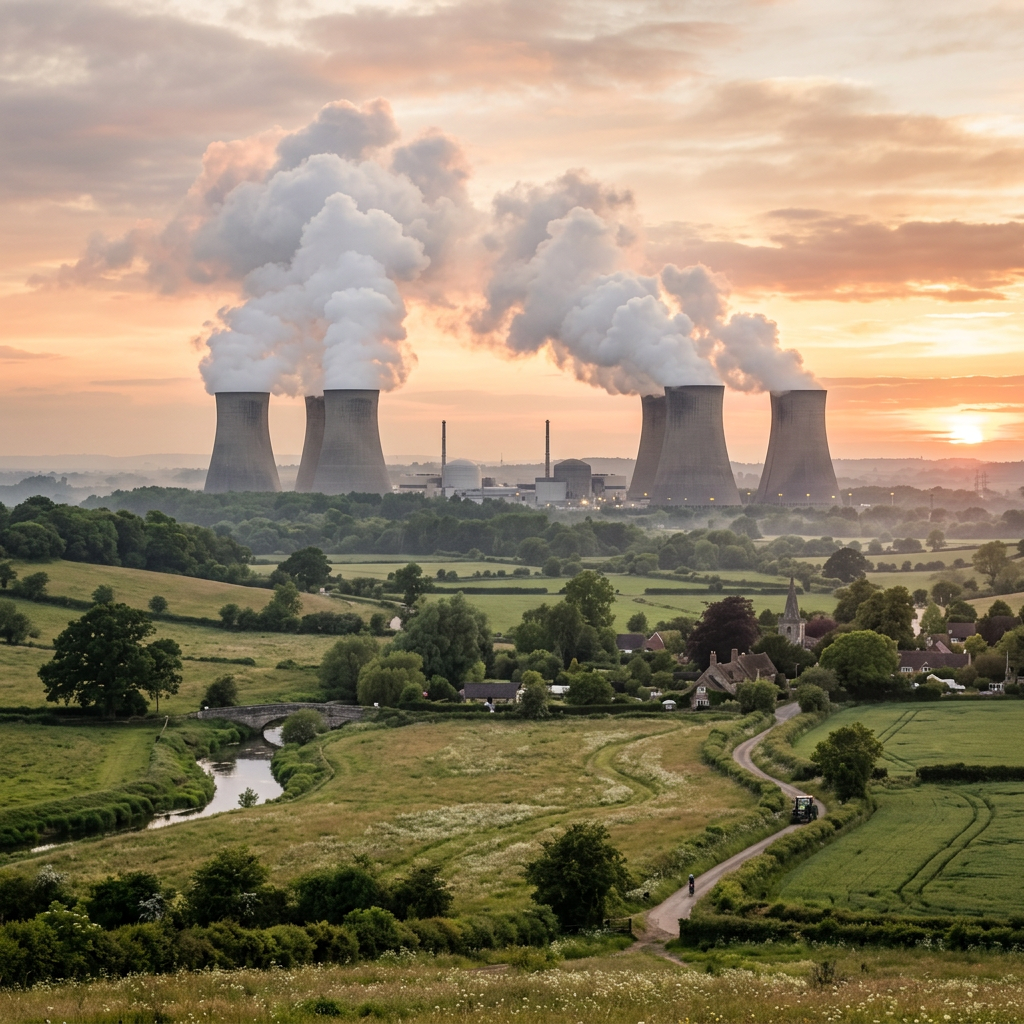
The pages of the old book flutter again—fwip-fwip-fwip—as if a tiny breeze lives inside it. They stop on a chapter called "The Origins."
You lean closer. Nukie the Cat hops closer, tail swishing with curiosity.
"The kettles got our attention," you whisper, thinking of the giant round buildings near the river—quiet, peaceful, and full of mystery. "But what's actually happening inside them?"
Nukie gives a soft mrrrp, which you interpret as, Let's find out.
A World Growing Brighter
The chapter begins with a picture of Earth glowing at night—cities sparkling like constellations.

The words explain that as people built bigger towns, taller buildings, and farms that could feed millions, they needed more and more electricity. Lights, trains, hospitals, computers, clean water—everything needed power.
But old ways of making electricity—burning wood or coal—were smoky, slow, and couldn't keep up forever.
Humanity needed something cleaner, stronger, and almost unbelievably powerful.
Something hidden inside the tiniest pieces of matter.
Something… nuclear.
Your eyes widen. Nukie's whiskers twitch.
Energy in the Smallest Places
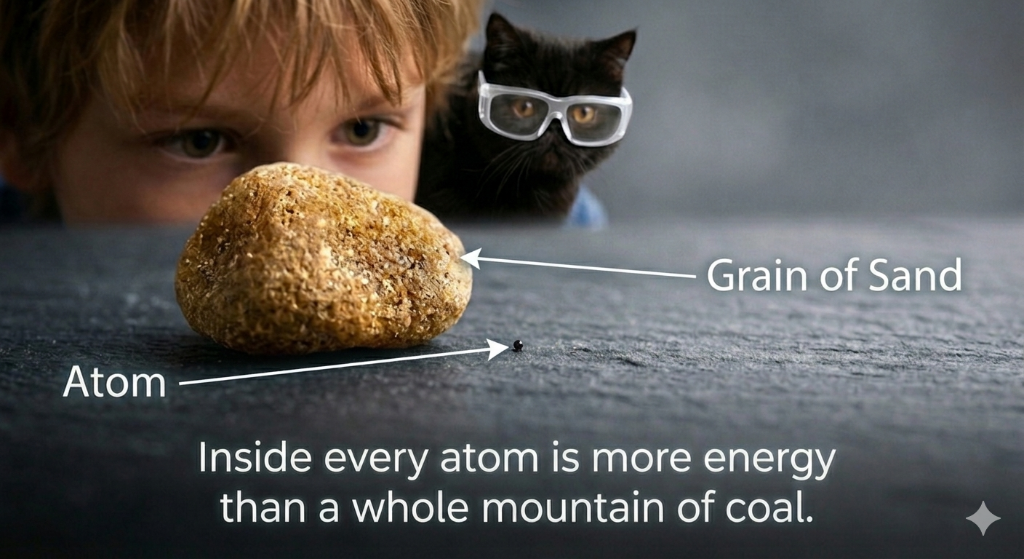
"Inside every atom is more energy than a whole mountain of coal."
Nukie's tail shoots straight up.
If you could unlock the energy inside just a handful of atoms, you could power a whole neighborhood. If you unlocked the energy inside a cupful, you could power a city.
No smoke. No soot. Just clean, steady power.
The Man in the White Lab Coat
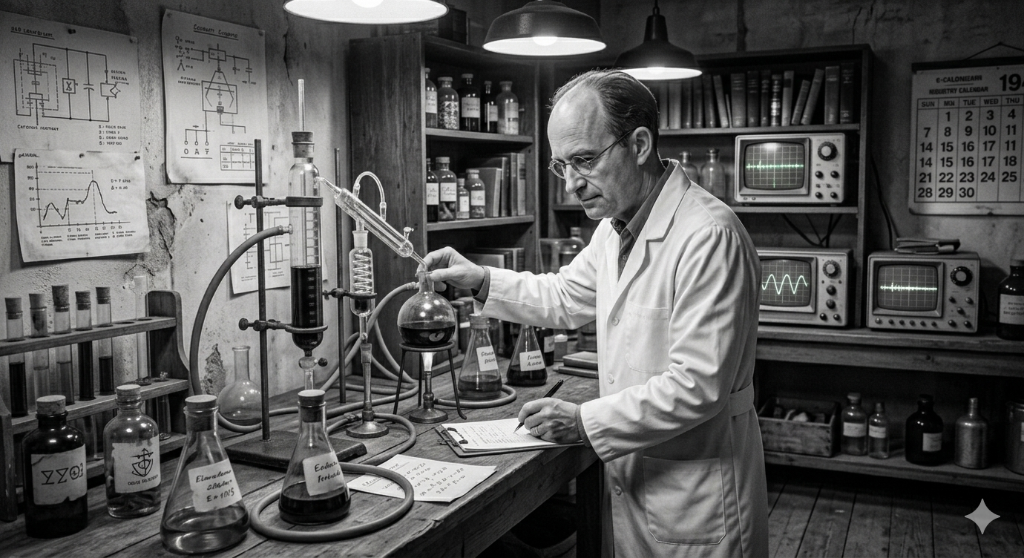
This is Professor Enrico Fermi.
You read aloud:
"He wanted to understand how to use the power inside atoms to help the world."
But there was a problem.
Inside natural uranium, there were 140 atoms of U‑238 for every 1 atom of U‑235—the special kind that could start a powerful reaction.
And no chemical trick—no boiling, no mixing, no dissolving—could separate them.
Professor Fermi needed a different idea.
The Puzzle of the Neutrons
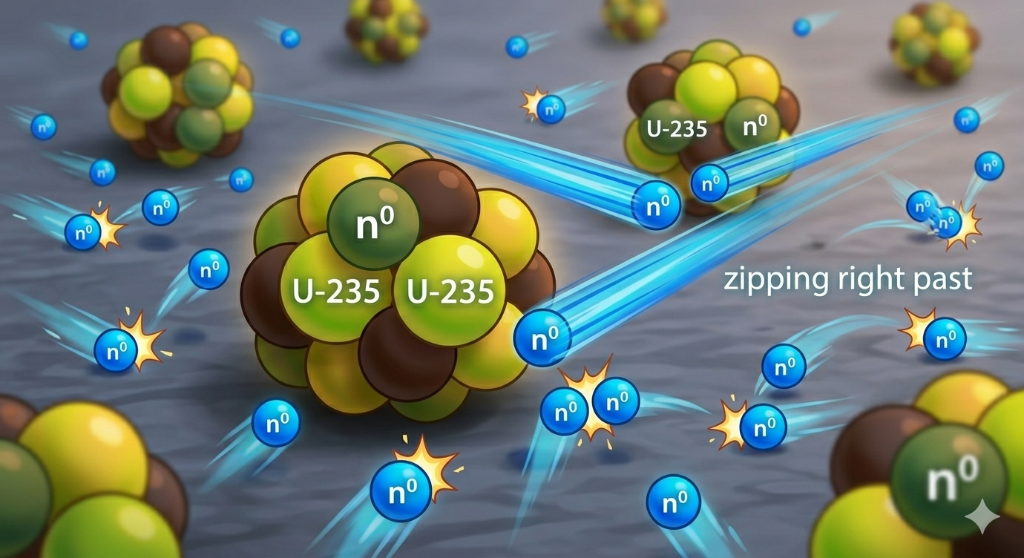
He discovered that neutrons moved in chaos, zooming around like bumper cars.
When they move too fast, they zipped right past the U‑235 atoms.
But when they slowed down…
They became sticky. They were more likely to bump into U‑235 and start something amazing.
Professor Fermi discovered that when neutrons travel through materials full of hydrogen—like water—they slow down.
He called this neutron moderation.
You imagine the neutrons like your friends running too fast in a hallway—until they hit a soft rug and slow to a careful walk.
Now they could actually connect with the atoms that mattered.
The First Chain Reaction
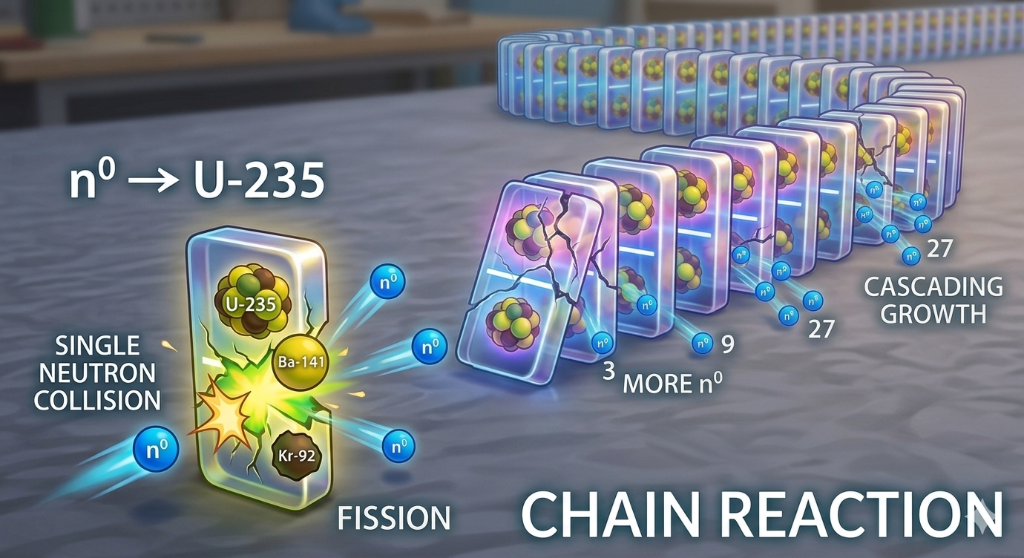
When one neutron hits a U‑235 atom, it splits and releases more neutrons, which split more atoms, which release even more neutrons…
A growing chain of tiny events, each one releasing a burst of energy.
This was the secret inside the kettles.
This was the beginning of nuclear power.
You feel a warm excitement in your chest.
Nukie purrs like a tiny reactor starting up.
You read: "With this discovery, humanity found a way to power growing cities, farms, and industries with a source as small as an atom and as mighty as a star."
The adventure has only begun…

